

Summer Picture Books for Kids, Classrooms, and Holiday Reading
Focus: Summer picture books for read-alouds, holiday reading, and simple discussion
Best for: Preschool to upper elementary
Summer picture books work well when routines are changing, and children need something easy to settle into.
Use them for end-of-year read-alouds, summer reading lists, library displays, camps, or reading at home.
Keep it simple. Choose one strong book and give children one small thing to notice, talk about, draw, or write.
Table of Contents
How I Chose These Summer Picture Books
I’ve found that the best summer picture books give children something clear to notice or talk about, whether that is the setting, a family moment, a character trying something new, or a change in how someone feels.
I looked for books with:
- clear summer settings
- strong illustrations
- themes children can discuss
- a relaxed read-aloud feel
- a mix of familiar and less familiar summer experiences
Why Summer Picture Books Work Well
Summer reading does not need a big lesson, a long written response, or a pile of worksheets.
Picture books are short, visual, and easy to reread, but children still have plenty to notice. They can:
- spot details in the illustrations
- retell what happened
- talk about a character’s choice
- compare the story to their own summer experiences
- explain what changed from the beginning to the end
They also give children a bit of distance. A child who does not want to talk about their own worry, friendship problem, or disappointment might talk about a character first. That works in a classroom, library, garden, sofa, or before bed.
Summer Picture Books for Kids
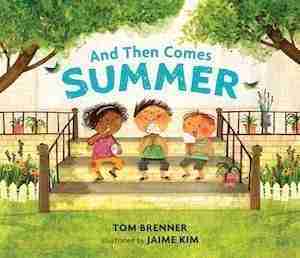
And Then Comes Summer by Tom Brenner
This book captures that “summer is starting” feeling: longer days, outdoor play, ice cream, swimming, and the shift after school ends. Children can notice familiar summer routines and talk about what they are looking forward to.
Why it works: Strong seasonal details and a clear shift from school-year routines to summer freedom.
Question to ask: “Which part of summer does this book make you think about?”
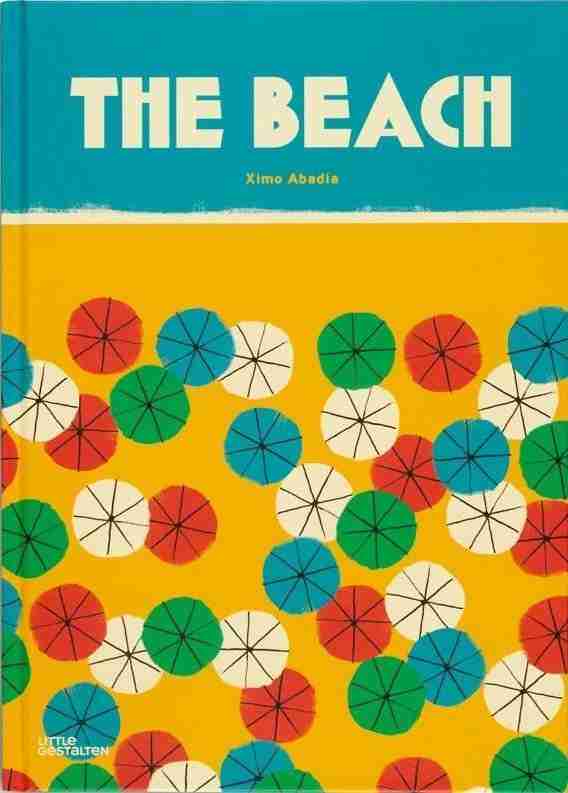
The Beach by Ximo Abadía
This bright beach book is more about noticing than following a big story problem. Children can name actions, describe the setting, and compare the beach in the book with beaches they know or have seen in pictures.
Good for: Easy visual discussion and plenty of details to spot.
Try asking: “What are people doing at the beach?”
Blackout by John Rocco
When the power goes out, a family starts noticing the people and places around them. Children can compare the family before and after the blackout.
Why it works: Clear before-and-after structure.
Question to ask: “What changes when the power goes out?”

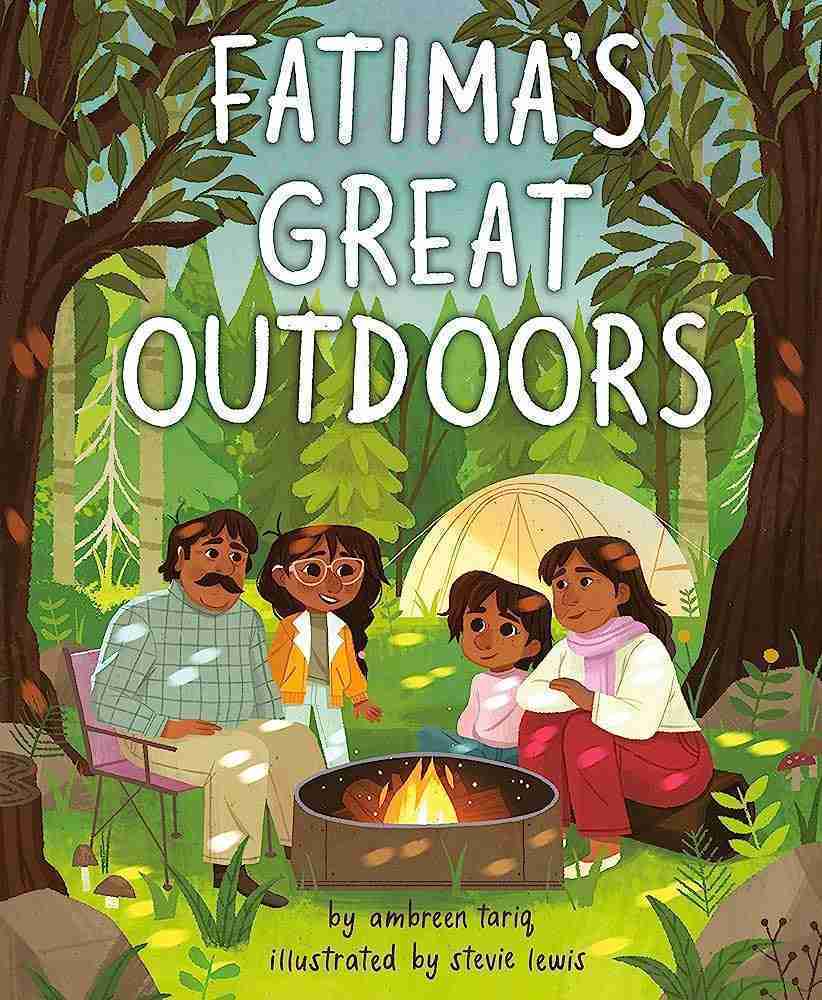
Fatima’s Great Outdoors by Ambreen Tariq
After a difficult week at school, Fatima goes camping with her family. The trip gives her space to feel brave, connected, and more like herself.
Why it works: Family, nature, courage, and representation in one story.
Question to ask: “What does Fatima do that shows she is trying something new?”
Fireflies! by Julie Brinckloe
A boy finds a camera at the beach, and the photos reveal a strange underwater world. Because it is wordless, children need to observe, infer, predict, and explain their thinking using picture clues.
Why it works: Wordless storytelling with rich visual clues.
Question to ask: “What do you notice that makes you think something unusual is happening?”

Hike by Pete Oswald
This wordless book follows a boy and his dad spending the day outdoors. The story is quiet, visual, and full of small moments that children can notice and retell.
Why it works: Strong visual sequence and calm outdoor theme.
Try asking: “What do the characters do that shows they are working together?”

Hot Day on Abbott Avenue by Karen English
Kishi and Renée are both waiting for the other one to apologize. The hot day and neighborhood fun slowly bring them back together.
Why it works: Clear friendship tension and repair.
Question to ask: “What changes between the two friends before they speak again?”

Jabari Jumps by Gaia Cornwall
Jabari says he is ready to jump, but the pictures show he needs more time. Children can notice the difference between what he says and what he does.
Why it works: Clear character feelings and visual clues.
Question to ask: “How can you tell Jabari is nervous, even when he says he is ready?”

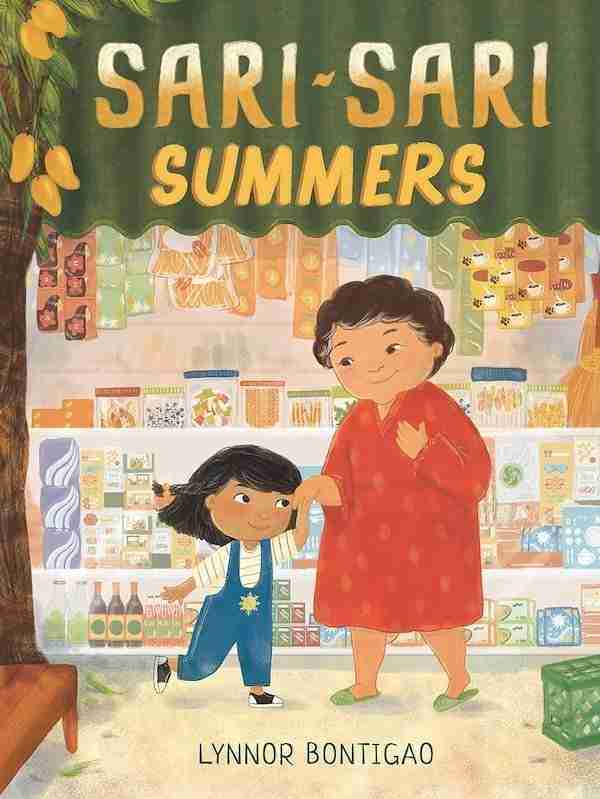
Sari-Sari Summers by Lynnor Bontigao
This book shows summer through food, memory, family, and life in the Philippines. Children can notice how summer looks different depending on where someone lives and their traditions.
Why it works: Strong cultural setting and family connection.
Question to ask: “What details show what summer is like for Mia?”
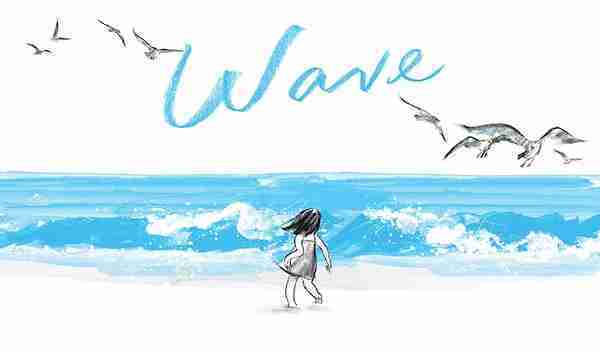
Wave by Suzy Lee
This wordless book shows a girl playing with the sea. Children can read her feelings through facial expressions, body language, and the movement of the waves.
Why it works: Strong visual storytelling with very little setup.
Question to ask: “How does the girl’s feeling about the wave change?”
Wild Berries by Julie Flett
A Cree boy and his grandmother pick berries together. This slow-paced story has plenty to notice about family, language, nature, and shared moments.
Why it works: Calm pacing, family connection, and nature details.
Question to ask: “What small details show the relationship between the child and grandmother?”

More Summer Picture Books for Different Reading Goals
Books for Beach and Water Stories
Use these when children want books that feel properly summery: sand, waves, swimming, beaches, and water play.
- A Beach Tail by Karen P. Williams – Good for sequencing, beach safety, and following directions.
- The Big Bath House by Kyo Maclear – Connects summer visits, family traditions, Japanese culture, and body positivity.
- Grains of Sand by Sibylle Delacroix – Works well for imagination, wondering, and turning beach finds into stories.
- Pete the Cat: Pete at the Beach by James Dean – A simple choice for beach routines, trying something new, and sequencing events.
- There Might Be Lobsters by Carolyn Crimi – Opens up discussions about beach worries, bravery, and taking small steps.
- Waiting for High Tide by Nikki McClure – Best for curiosity, patience, coastal nature, and noticing how a place changes.
Books for Nature, Camping, and Outdoor Adventures
These books work well for summer reading lists, nature topics, outdoor learning, and children who prefer exploring to sitting still.
- Cloud Chaser by Anne-Fleur Drillon – Focuses on invention, persistence, and creative problem-solving.
- Finding Wild by Megan Wagner Lloyd – Helps children notice nature in woods, cities, parks, and unexpected places.
- Mama, Is It Summer Yet? by Nikki McClure – Builds observation around seasonal change, patience, and signs of summer arriving.
- The Raft by Jim LaMarche – Strong for nature, quiet observation, and noticing how a character changes.
- Summer by Cao Wenxuan – Works well for cooperation, sharing, and how the animals respond to heat.
- Wild Summer: Life in the Heat by Sean Taylor – Brings in animal life, hot weather, and environmental discussion.
Books for Friendship, Family, and Community
Use these when you want summer books with a social or emotional thread, but still want the mood to feel seasonal.
- Garmann’s Summer by Stian Hole – Fits the worry and uncertainty that come before starting school.
- Goldfish on Vacation by Sally Lloyd-Jones – A good fit for city summers, community, memories, and making something special from an ordinary place.
- My Summer with Grandad by Tom Tinn-Disbury – Centers on responsibility, letting go, and family bonds.
- Ojiichan’s Gift by Chieri Uegaki – Brings in family traditions, compassion, memory, and caring for something meaningful.
- Tar Beach by Faith Ringgold – Opens discussion around dreams, poverty, family, imagination, and freedom.
- Waiting for Chicken Smith by David Mackintosh – Good for expectations, disappointment, and noticing what is still good.
Disclosure: This post contains affiliate links. If you purchase anything through them, I will get a small referral fee and you will be supporting me and my blog at no extra cost to you, so thank you! You can find more information here.
How to Use These Books in a Simple Summer Read-Aloud Routine
Reading books does not need to become a full lesson. Pick one book and one small focus.
Before Reading
Choose one prompt:
- “Notice what makes this feel like summer.”
- “Watch for a moment when the character feels unsure.”
- “Look at what the pictures tell us.”
For home reading, keep it even simpler:
- “Let’s see what summer looks like in this book.”
- “Tell me when you spot something you would like to do.”
During Reading
Pause once or twice. Not ten. Good stopping-point questions:
- “What do you notice?”
- “What is the character feeling?”
- “What clue made you think that?”
After Reading
Choose one question that fits the book.
- “What made this book feel like summer?”
- “Did the character change by the end?”
- “What part reminded you of your own summer?”

Differentiation: Make It Easier or Harder
Younger children could:
- point to the page that feels most like summer
- draw one thing from the story
- choose a happy, worried, excited, or disappointed face for the character
- retell the story using three pictures
Older students could:
- compare two summer settings
- explain how a character changes
- find evidence from the words and pictures
- write a short recommendation for younger readers
- discuss whether the book shows summer as fun, calm, difficult, exciting, or complicated
For children who need more support, reduce the choices. Try one sentence stem, two picture choices, partner talk before writing, or drawing before words.
Example: “I noticed ___ in the picture. It made me think ___.”
Simple Next Step
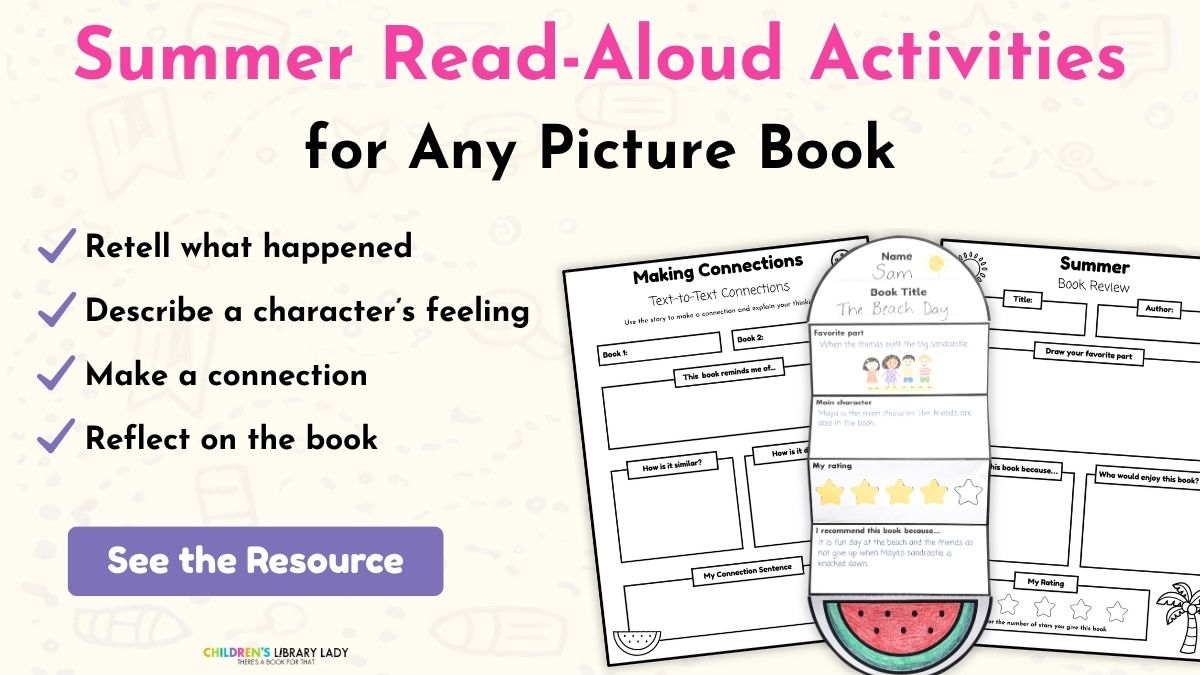
If you want a quick follow-up after a summer read-aloud, use one reusable response page from my summer any-book graphic organizer pack.
Children can:
- draw a favorite part
- retell what happened
- describe a character’s feeling
- make a connection
- recommend the book
- write one thing they noticed
That gives children something clear to do without needing a different worksheet for every summer book.
Want to Keep Summer Reading Going?
If you want something simpler for the whole summer, a reading tracker can help children keep a record of what they read. Use a tracker when you are:
- sending home summer reading materials
- running a classroom or library reading challenge
- giving families something easy to use
The aim is not to track every page. It is to give children a simple way to record books and see their reading build up over time.
Use summer reading trackers, logs, or game boards to help children record what they read without turning it into a chore.


FAQs
- How can parents use summer picture books at home? Keep it simple: read one book and ask one good question, like, “What did you notice?” or “Which page was your favorite?” Summer reading should not need to feel like schoolwork.
- What if children give short answers? Give them something concrete to look at. Ask about the pictures, a character’s face, or one small detail on the page. That usually helps children move beyond one-word answers.
- Can summer picture books work for older students? Yes. Wordless books, layered illustrations, and books with bigger themes give older students plenty to discuss.
Ideas of What to Read Next
If you want more ideas, these related posts may help:
- Picture Book Lists for the Classroom – for more book lists grouped by teaching topic
Picture Book Activities – for simple follow-up ideas after reading – for simple follow-up ideas after reading.
Final Thoughts
Pick one book. Choose one small focus. Ask one useful question. Let children talk, draw, notice, or recommend.
That keeps reading going without making summer feel like extra work.
